It started under warranty
A written factory or certified pre-owned warranty covered the concern when it first appeared. An expired warranty today does not necessarily erase that history.
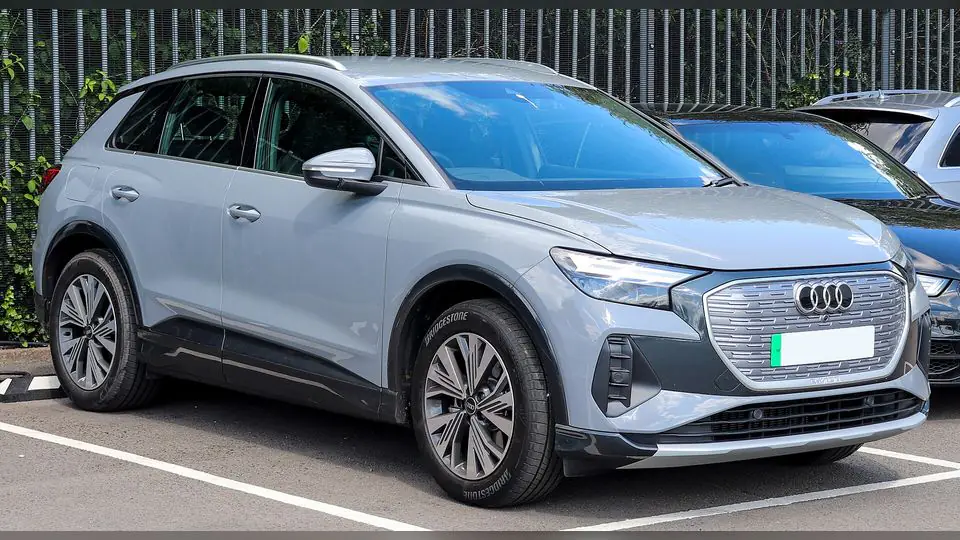
The Q4 e-tron must coordinate its high-voltage pack, onboard charger, 12-volt supply, camera, lighting, and restraint systems before every trip. A failed charge, low-voltage shutdown, blank rear image, or repeat software remedy can turn an electric crossover into a recurring warranty problem.
$0 out of pocket under our written representation terms · when you win, the manufacturer pays the legal fees · all 50 states
A Q4 e-tron may support a claim when a substantial covered charging, propulsion, visibility, or restraint defect persists after reasonable repair opportunities or causes significant downtime. Normal range variation is not the same as a documented battery, charger, or power-system fault.
Free 60-second check · $0 out of pocket · no obligation.
Start with the repair history
The key question is not whether other Q4 e-tron owners had the same complaint. It is whether your own substantial defect arose under warranty and remained unresolved after a reasonable opportunity to repair it.
A written factory or certified pre-owned warranty covered the concern when it first appeared. An expired warranty today does not necessarily erase that history.
The same symptom returned, the service center could not duplicate it, parts or updates did not fix it, or the vehicle accumulated significant downtime.
The problem is more than an annoyance and materially limits the Q4 e-tron’s operation, reliability, value, or safe use.
What happens next
Share what the Q4 e-tron does, when it happens, the warning messages, and each attempt to diagnose or repair it.
We compare the warranty and repair timeline with the federal Magnuson-Moss Warranty Act and the applicable state lemon law.
The facts may support pursuing a refund, replacement, or cash-and-keep settlement. Availability varies, and no result is guaranteed.
Vehicle-specific issue guide
Depending on model year, trim, and powertrain, the themes below have been documented in public NHTSA records and manufacturer safety campaigns. They are starting points for organizing your records—not a claim that every Q4 e-tron is affected.
The onboard charger on certain Q4 e-trons may fail to maintain the 12-volt battery and cause loss of drive power. Record low-voltage warnings, state of charge, restart attempts, towing, and charger replacement.
At a 100 percent charging setting, affected portable charging cables or outlets can overheat. Preserve the cable type, current setting, outlet condition, heat or discoloration, and any Audi inspection or replacement; follow the campaign instructions.
Certain Q4 e-trons may not display the rearview image because of software behavior. Capture whether the screen is blank, delayed, or frozen and whether the image returns after a restart or update.
Incorrect headlight-control programming can cause lighting behavior that does not meet requirements. Record lamp warnings, automatic-light operation, beam behavior, and the software version installed.
A metal inlay in the door seal on certain vehicles can damage the head-curtain airbag during deployment. Keep VIN-specific inspection and seal or restraint repairs separate from ordinary trim complaints.
A damaged front-seat retractor torsion bar has affected certain newer Q4 e-tron builds. Record retraction or latching problems, belt warnings, seating position, and the complete retractor replacement.
Build the paper trail
Save charging-session logs, outlet and cable details, charge setting, state of charge, 12-volt and propulsion warnings, tow records, camera videos, headlight behavior, software versions, and invoices naming the onboard charger, battery, cable, or control unit. Follow all VIN-specific charging guidance.
Common questions
Record charger type, outlet, cable, current setting, start and end state of charge, error message, temperature, and whether another station worked. Ask Audi to distinguish external equipment from the onboard charger, high-voltage system, charging port, and 12-volt supply.
Yes. The low-voltage system powers controls needed to start and manage the vehicle, so a high-voltage state of charge does not rule out a no-start or loss-of-power condition. Preserve both battery readings and the onboard charger diagnosis.
Not by itself. Range changes with temperature, climate use, speed, and charging. More useful evidence includes charging failures, battery or charger fault codes, severe power limitation, unexpected shutdown, or repeated hardware replacement.
Open a new repair order, identify the prior software remedy, and safely capture the blank or frozen display. The recurrence can show that programming did not correct the camera, infotainment, power, or communication fault.
Possibly. Cash-and-keep compensation is a common federal pathway, while refund or replacement may be available under applicable state law. The facts and written warranty control, and no remedy is assured.
Related guides
Share the repair history for a free case review. We’ll explain which federal and state warranty options may fit—without promising an outcome.