It started under warranty
A written factory or certified pre-owned warranty covered the concern when it first appeared. An expired warranty today does not necessarily erase that history.
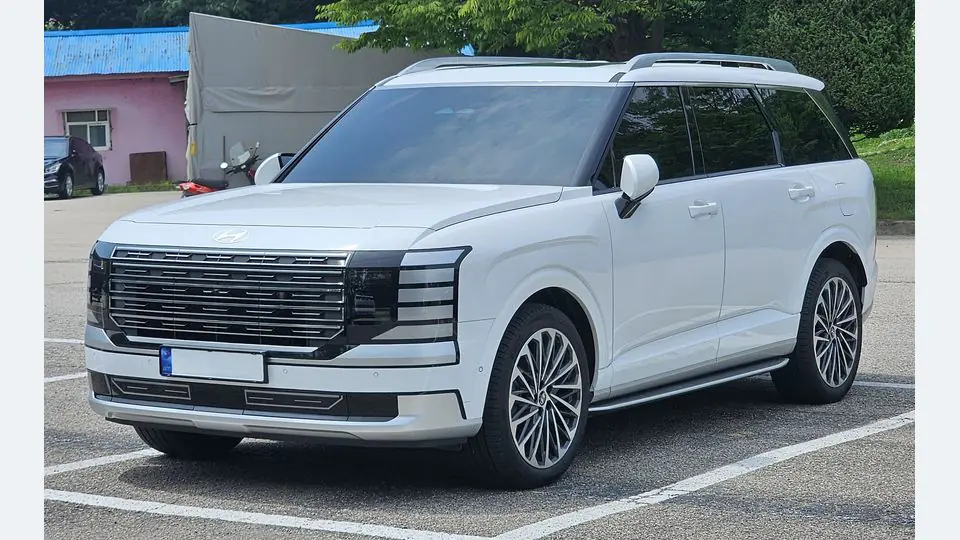
A Palisade is often used as a three-row family vehicle, so inoperative wipers, reduced brake assist, unlatching seat belts, or restraint-system faults can materially change how it is used. Fire-risk, engine, and display repairs should be organized in the same timeline.
$0 out of pocket under our written representation terms · when you win, the manufacturer pays the legal fees · all 50 states
Palisade campaigns vary by year, seating position, trim, and installed equipment such as a tow-hitch harness. A recall is a reason to check the VIN; a claim still depends on your vehicle's unresolved covered condition and repair history.
Free 60-second check · $0 out of pocket · no obligation.
Start with the repair history
The key question is not whether other Palisade owners had the same complaint. It is whether your own substantial defect arose under warranty and remained unresolved after a reasonable opportunity to repair it.
A written factory or certified pre-owned warranty covered the concern when it first appeared. An expired warranty today does not necessarily erase that history.
The same symptom returned, the service center could not duplicate it, parts or updates did not fix it, or the vehicle accumulated significant downtime.
The problem is more than an annoyance and materially limits the Palisade’s operation, reliability, value, or safe use.
What happens next
Share what the Palisade does, when it happens, the warning messages, and each attempt to diagnose or repair it.
We compare the warranty and repair timeline with the federal Magnuson-Moss Warranty Act and the applicable state lemon law.
The facts may support pursuing a refund, replacement, or cash-and-keep settlement. Availability varies, and no result is guaranteed.
Vehicle-specific issue guide
Depending on model year, trim, and powertrain, the themes below have been documented in public NHTSA records and manufacturer safety campaigns. They are starting points for organizing your records—not a claim that every Palisade is affected.
Certain 2020-2022 Palisades with Hyundai tow-hitch wiring were recalled because debris and moisture could short the module and create a fire risk. Preserve the installation and remedy records.
Campaigns for certain 2020-2023 vehicles address wiper motors that can become inoperative or fail under snow and ice load. Document weather, intermittent operation, and each motor or linkage repair.
Some Palisades were addressed for contaminated brake fluid or a misaligned booster diaphragm. Note changes in pedal effort, stopping response, warning lights, and booster or master-cylinder work.
A limited 2024 population was recalled because valve springs could break, cause loss of drive power, or damage the engine block. Keep noise, warning, stall, tow, and engine-repair records.
Certain 2020-2025 vehicles were included in a campaign involving buckles that may fail to latch in front and second-row seating positions. Identify the exact seat and frequency of the failure.
Public records address blank instrument clusters and passenger or third-row curtain-airbag performance on some Palisades. Save every warning, seating-position diagnosis, screen replacement, and recurrence.
Build the paper trail
Identify every affected seating row, wiper condition, tow-hitch installation, braking symptom, engine warning, and blank-display event. Save accessory invoices, campaign work, videos in rain or snow, and repair orders showing whether parts were available.
Common questions
Yes. Save the accessory invoice, installer, written accessory warranty, recall remedy, and any resulting wiring or vehicle damage. The accessory campaign is not automatic lemon-law eligibility, but repeated shorting or an unsuccessful remedy can be relevant.
Record the weather, video the failure safely, and ask that the environmental conditions be written on the invoice. Repeat cannot-duplicate visits still help establish when Hyundai was notified of the same visibility concern.
Potentially. Identify the exact buckle, row, occupant use, and each latch or retractor replacement. A restraint defect can be substantial without affecting the engine or every seat in the vehicle.
Describe increased pedal effort, stopping distance, warning lights, when the condition occurs, and whether restarting changes it. Keep fluid-service and booster-replacement records rather than using only the phrase 'bad brakes.'
Keep the teardown diagnosis, replacement authorization, dates unavailable, loaner or tow records, and later engine symptoms. Counsel can evaluate whether the completed repair, downtime, collateral damage, and any recurrence support federal or applicable state remedies.
Related guides
Share the repair history for a free case review. We’ll explain which federal and state warranty options may fit—without promising an outcome.